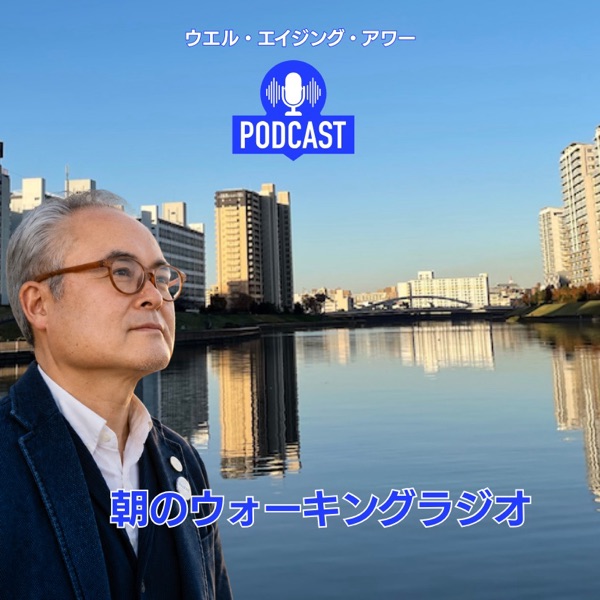
00:00
-00:00
【高齢社会探訪記#79】人の見方|Person-in-Life Approach
4
「できる・できない」だけで、人を見ていませんか?
私たちは人を見るとき、つい「何ができるか」「何ができなくなったか」で判断してしまいます。
歩けるか、食べられるか、着替えられるか、物忘れがあるか。介護の現場でも、こうした状態や能力の評価は欠かせません。
しかし、それだけで、その人を理解したことになるのでしょうか。
同じように歩けない人でも、歩きたい理由は違います。買い物に行きたい人、友人に会いたい人、庭の花を見に行きたい人。それぞれに生活があり、人生があります。
私が大切にしているのは、Person-in-Life Approachという考え方です。
人を、身体や認知機能の状態だけで捉えるのではなく、その人が生きている生活の中で理解する。
何をしてきたのか。今、何を大切にしているのか。これから、どのように生活したいのか。
「できないこと」を探すだけでなく、「その人がしたいこと」を知る。
そこから、支援のあり方も変わっていくのではないでしょうか。
今日、身近な誰かを見るとき、少しだけ視点を変えてみませんか。
人を見ることから、生活を知ることへ。
生活から、高齢社会を考える。
#高齢社会探訪記 #PersonInLifeApproach #尊厳介護 #生活理解 #ウェルエイジング
【Exploring an Aging Society #79】How We See People
Person-in-Life Approach Series | 01
Are we judging people only by what they can or cannot do?
We often evaluate people based on their abilities and limitations.
Can they walk, eat, dress themselves, or remember things?
These assessments are important in caregiving. But do they tell us who the person really is?
Two people may have the same difficulty walking, yet have completely different reasons for wanting to walk.
One wants to go shopping. Another wants to meet friends. Someone else wants to see the flowers in their garden.
Each person has a life, a history, and something meaningful to them.
This is why I value the Person-in-Life Approach.
Instead of looking only at physical or cognitive abilities, we seek to understand people within the context of their everyday lives.
What have they experienced? What matters to them today? How do they want to live tomorrow?
Rather than focusing only on what people cannot do, we should discover what they want to do.
That understanding can transform the way we provide support.
From assessing the person to understanding their life.
Thinking about an aging society through everyday life.
【高龄社会探访记#79】如何看待一个人
Person-in-Life Approach 系列|01
我们是否只用“能做什么、不能做什么”来判断一个人?
我们在观察一个人时,往往首先关注他的能力和不足。
能不能走路?能不能吃饭?能不能自己穿衣服?有没有记忆力下降?
在养老照护中,这些评估非常重要。
但是,仅凭这些,就能够真正理解一个人吗?
即使两个人同样行走困难,他们想走路的理由也可能完全不同。
有人想去购物,有人想见朋友,还有人只是想看看院子里的花。
每个人都有自己的生活、经历和珍视的事物。
我所重视的理念是 Person-in-Life Approach(从生活中理解一个人)。
我们不仅关注身体和认知功能,更要把一个人放在他的日常生活中去理解。
他经历过什么?现在最重视什么?今后希望怎样生活?
与其只寻找“做不到的事情”,不如先了解“他真正想做的事情”。
这种理解,也许能够改变我们的照护与支持方式。
从评价一个人的能力,走向理解一个人的生活。
从生活出发,思考高龄社会。
10月8日
このチャンネルの新着放送


おすすめの放送



stand.fmの無料アプリでもっと便利に


放送が更新されたらプッシュでお知らせされるので最新の放送を聞き逃さない。

バックグラウンド再生で他のアプリを使用しながら、放送やライブが聴ける。

放送やライブ、コミュニティでコメントが送れて配信者とコミュニケーションができる。

アプリだけでかんたんに音声を収録して投稿できて音声の編集もできる。
stand.fmメディア

JASRAC許諾番号
9024598002Y31016
9024598004Y31016

NexTone許諾番号
000006134
© 2026 stand.fm, Inc.