00:00
-00:00
【高齢社会探訪記 #93】昼と夜の関係
2
睡眠介護シリーズ|第4回/全10回
シリーズテーマ|眠りから生活を考える
問いかけ|昼間の生活が、夜の眠りを変えるのでしょうか?
昨夜は、よく眠れましたか?
眠れない夜が続くと、私たちは寝室の環境や寝具、眠る前の習慣を見直そうとします。
しかし、夜の眠りは、昼間の生活ともつながっています。
朝、太陽の光を浴びること。
日中、身体を動かすこと。
食事を楽しみ、誰かと会話をすること。
こうした毎日の生活が、身体のリズムや夜の眠りに関係しています。
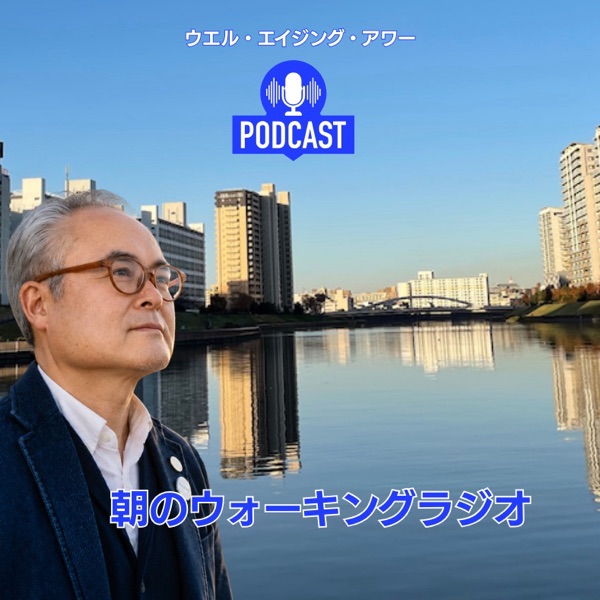
私自身、毎朝の隅田川ウォーキングを続けながら、朝の光、呼吸、身体の動きと睡眠の関係を考えています。
一方、昼間に活動すれば、必ず夜によく眠れるというわけではありません。
痛み、不安、病気、服薬、睡眠環境など、さまざまな要因が影響します。
介護の現場でも同じです。
夜間に何度目が覚めたのかを記録するだけではなく、その人が昼間どのように過ごしていたのかを知る。
朝から昼、夕方、そして夜へ。
24時間の生活を一つにつなげて理解することが大切です。
夜の眠りを支える介護は、昼間の生活から始まっているのかもしれません。
夜間介護から睡眠介護へ。
睡眠介護シリーズ第4回。
眠りを知ることは、その人の生活を知ること。
生活から、高齢社会を考える。
【Exploring the Aging Society #93】The Connection Between Day and Night
10-Part Sleep Care Series | Understanding Daily Life Through Sleep
Can the Way We Spend Our Day Change How We Sleep at Night?
Did you sleep well last night?
When we have difficulty sleeping, we often focus on our bedrooms, bedding, or bedtime habits.
But nighttime sleep is also connected to what we do during the day.
Getting morning sunlight, staying physically active, enjoying meals, and communicating with others can all contribute to our daily rhythms and sleep patterns.
I walk along the Sumida River every morning, reflecting on the relationship between sunlight, breathing, physical movement, and sleep.
However, being active during the day does not guarantee good sleep.
Pain, anxiety, medical conditions, medications, and the sleeping environment may also affect our sleep.
The same principle applies to elderly care.
Rather than simply recording how many times someone wakes up during the night, we should try to understand how they spent their day.
From morning to afternoon, evening, and night, we need to see the whole 24-hour cycle as one connected life.
Supporting nighttime sleep may begin with understanding daytime life.
From Nighttime Care to Sleep Care.
Episode 4 of our 10-part Sleep Care series.
To understand someone's sleep is to understand their life.
Rethinking the Aging Society Through Daily Life.
【高龄社会探访记 #93】白天与夜晚的关系
全10期睡眠照护系列|从睡眠重新理解生活
白天的生活方式,会改变夜晚的睡眠吗?
昨晚,您睡得好吗?
当我们晚上睡不好时,往往会关注卧室环境、寝具以及睡前习惯。
但是,夜间睡眠也与白天的生活密切相关。
早晨接触阳光。
白天适当活动身体。
享受饮食,与他人交流。
这些日常行为,都可能影响人体的生物节律和夜间睡眠。
我每天早晨都沿着东京隅田川散步,同时思考阳光、呼吸、身体运动与睡眠之间的关系。
当然,并不是白天活动越多,晚上就一定睡得越好。
疼痛、焦虑、疾病、药物和睡眠环境等,都可能影响睡眠。
养老照护也是如此。
我们不能只记录老人夜间醒来了多少次。
还需要了解他们白天是怎样度过的。
从早晨到白天,从傍晚到夜晚。
把24小时的生活联系起来,才能更加全面地理解一个人的睡眠。
支持良好的夜间睡眠,也许应该从理解白天的生活开始。
从夜间照护走向睡眠照护。
睡眠照护系列第四期。
理解一个人的睡眠,就是理解一个人的生活。
从生活出发,重新思考高龄社会。
3時間前
このチャンネルの新着放送


おすすめの放送



stand.fmの無料アプリでもっと便利に


放送が更新されたらプッシュでお知らせされるので最新の放送を聞き逃さない。

バックグラウンド再生で他のアプリを使用しながら、放送やライブが聴ける。

放送やライブ、コミュニティでコメントが送れて配信者とコミュニケーションができる。

アプリだけでかんたんに音声を収録して投稿できて音声の編集もできる。
stand.fmメディア

JASRAC許諾番号
9024598002Y31016
9024598004Y31016

NexTone許諾番号
000006134
© 2026 stand.fm, Inc.