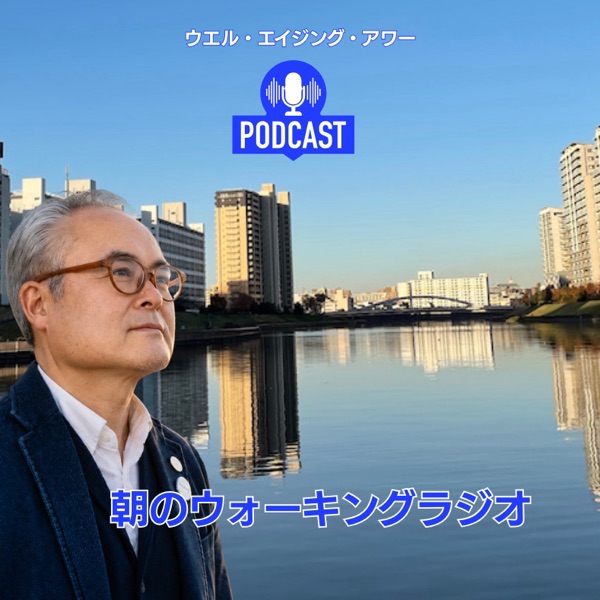
00:00
-00:00
【高齢社会探訪記 #104】認知症と睡眠
4
【高齢社会探訪記 #104】認知症と睡眠
第5回/全10回シリーズ|認知症を生活から考える
夜、安心して眠れていますか?
認知症のある人が、夜中に何度も目を覚ます。部屋から出て歩き回る。昼間は眠そうにしている。
こうした状態を、認知症の症状として捉えることがあります。
しかし、夜間の行動だけを見ていて、その人の生活を理解できるでしょうか。
睡眠には、認知機能の変化だけでなく、身体の痛み、排泄、服薬、光や音などの環境、日中の活動などが関係します。
私は介護現場で、夜間介護を単に見守りや排泄介助の時間にするのではなく、本人が安心して眠れる生活を支える時間として考えてきました。
そして今、睡眠や呼吸を測定する技術も活用しながら、24時間の生活を見直す「睡眠介護」に取り組んでいます。
大切なのは、眠っている時間の長さだけではありません。
朝、どのような状態で目覚めるのか。日中、どのように過ごしているのか。本人が安心して生活できているのか。
もちろん、睡眠の変化には治療が必要な病気や薬の影響が関係する場合もあります。
Person-in-Life Approach。
夜の状態を知り、昼の生活を知り、その人の希望を知る。
夜間介護から、睡眠介護へ。
認知症を見る前に、その人の生活を見る。
生活から、高齢社会を考える。
Aging Society Journal #104 | Dementia and Sleep
Episode 5 of 10 | Understanding Dementia Through Daily Life
Can the person sleep peacefully and feel safe at night?
Waking up repeatedly, walking around at night, or feeling sleepy during the day may occur in people living with dementia.
But these changes are not always caused by dementia alone.
Pain, toileting needs, medication, sleep environment, and daytime activities may all affect sleep.
My approach is to move from nighttime care to sleep-centered care.
Rather than simply managing nighttime behavior, we need to understand the person's entire 24-hour life.
Sleep monitoring technology can provide useful information, but numbers alone cannot tell us how a person feels or lives.
This is the Person-in-Life Approach.
Before focusing on dementia, understand the person's sleep and daily life.
Rethinking an aging society through everyday life.
【高龄社会探访记 #104】认知症与睡眠
第5期/全10期系列|从生活理解认知症
夜晚,能安心入睡吗?
认知症人士夜间反复醒来、起床走动,或者白天经常感到困倦。
这些变化不一定完全由认知症造成。
身体疼痛、排泄需求、药物、睡眠环境以及白天的活动,都可能影响夜间睡眠。
我希望推动一个重要转变:
从夜间照护走向睡眠照护。
不仅关注夜间发生了什么,更要了解这个人完整的24小时生活。
现在,我们也可以通过睡眠和呼吸监测技术获得更多信息。
但是,数据并不能代替对本人感受和生活的理解。
这就是 Person-in-Life Approach。
在关注认知症之前,先理解这个人的睡眠与生活。
从生活出发,思考老龄社会。
11月2日
このチャンネルの新着放送


おすすめの放送


stand.fmの無料アプリでもっと便利に


放送が更新されたらプッシュでお知らせされるので最新の放送を聞き逃さない。

バックグラウンド再生で他のアプリを使用しながら、放送やライブが聴ける。

放送やライブ、コミュニティでコメントが送れて配信者とコミュニケーションができる。

アプリだけでかんたんに音声を収録して投稿できて音声の編集もできる。
stand.fmメディア

JASRAC許諾番号
9024598002Y31016
9024598004Y31016

NexTone許諾番号
000006134
© 2026 stand.fm, Inc.